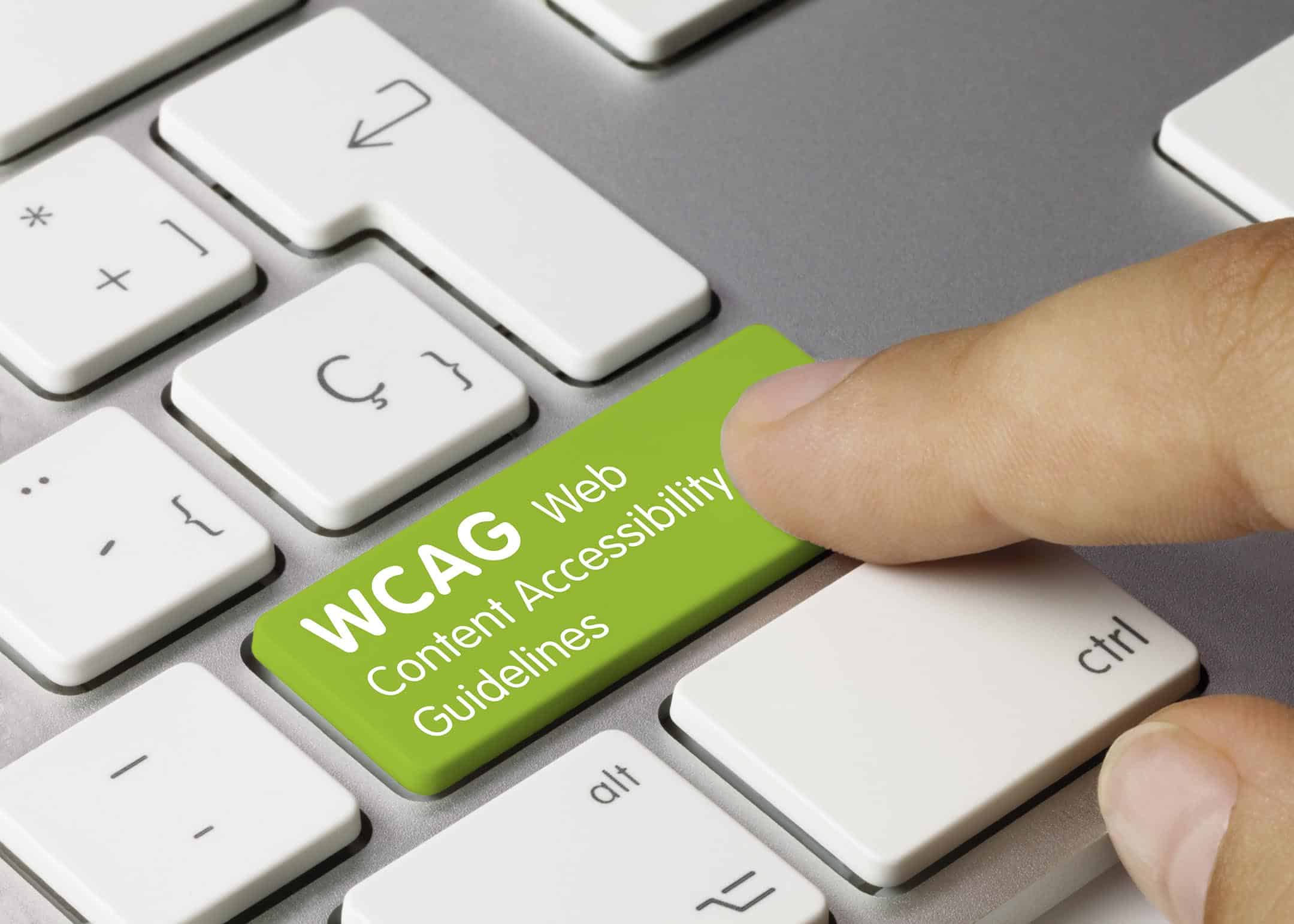
In just weeks, a critical moment for the American digital landscape arrives. On April 24th, 2026, Web Content Accessibility Guidelines (WCAG) standards are set to become legally binding for state and local government digital services. It is a deadline that represents decades of advocacy, careful standard-setting, and hard-won progress.
And right now, it is under threat.
The Department of Justice (DOJ) is considering an “interim final rule” that could substantially weaken or delay these requirements before they even take effect. What’s at stake isn’t just a bureaucratic timeline, it’s access to fundamental services, a market opportunity worth billions, and the integrity of a promise made to 60 million Americans.
The Human Case: Access Is a Basic Right
Start with the simplest truth: one in four American adults lives with a disability. For these 60 million people, an inaccessible website isn’t just an inconvenience; it is a locked door.
Consider the everyday scenarios that happen millions of times a year:
- A blind person attempting to renew a driver’s license.
- A deaf individual trying to pay property taxes or watch a town hall meeting.
- Someone with a mobility disability trying to apply for essential unemployment benefits.
When a website isn’t built to WCAG 2.1 AA standards, these individuals are forced into the indignity of asking for help or abandoned in digital isolation. WCAG standards such as keyboard navigation, screen-reader compatibility, and readable color contrast transform digital services from barriers into gateways for independence. It’s about equal access to the digital town square.
The Economic Case: Accessibility Is a Market Opportunity
While the moral argument is clear, the economic argument is equally staggering. Disabled Americans represent roughly 16% of the total U.S. market. These are customers, employees, and taxpayers that organizations are currently unable to reach because their digital properties don’t work.
- The “Curb-Cut” Effect: Accessibility features benefit everyone. Captions help people in loud environments; voice controls assist parents with their hands full; clear navigation helps users on slow connections. When you design for the margins, you improve the experience for the middle.
- Business Certainty: Companies have already spent millions preparing for April 24th. They have aligned their development sprints, budgeted for audits, and adjusted their product roadmaps.
- Risk Mitigation: Walking back these standards doesn’t save money, it creates chaos. It trades clear regulatory guidance for a surge in private litigation and expensive settlements.
The Procedural Problem: Democracy Happens in Public
The most concerning development is the DOJ’s shift in tactics. In February 2026, the DOJ bypassed the typical “notice of proposed rulemaking” (which invites public comment) and sent a revised rule to the Office of Management and Budget as an interim final rule (IFR).
An IFR allows agencies to implement rules immediately, often reserved for “emergencies.” But web accessibility is not a surprise emergency; it is a planned evolution. By bypassing the public comment process, the DOJ is making decisions in a vacuum. They aren’t hearing from:
- Disabled workers who rely on these standards to remain employed.
- Small government agencies that have already successfully budgeted for compliance.
- Advocates who can provide data-driven alternatives to “cost concerns.”
Bypassing this process privileges confidential regulatory deliberation over democratic input and undermines public trust in the rulemaking process itself.
Conclusion: It’s Time to Hold the Line
The momentum is already in motion. Across the country, organizations are training staff and upgrading systems. To weaken or delay these standards now would be to signal that digital equity is “negotiable” or a “luxury” we can’t afford.
The question facing policymakers isn’t whether accessibility is worth the cost. It’s whether we are serious about access as a right, and whether we are brave enough to keep a promise once it has been made.
The deadline is April 24th. The standards are clear. It’s time to hold the line.