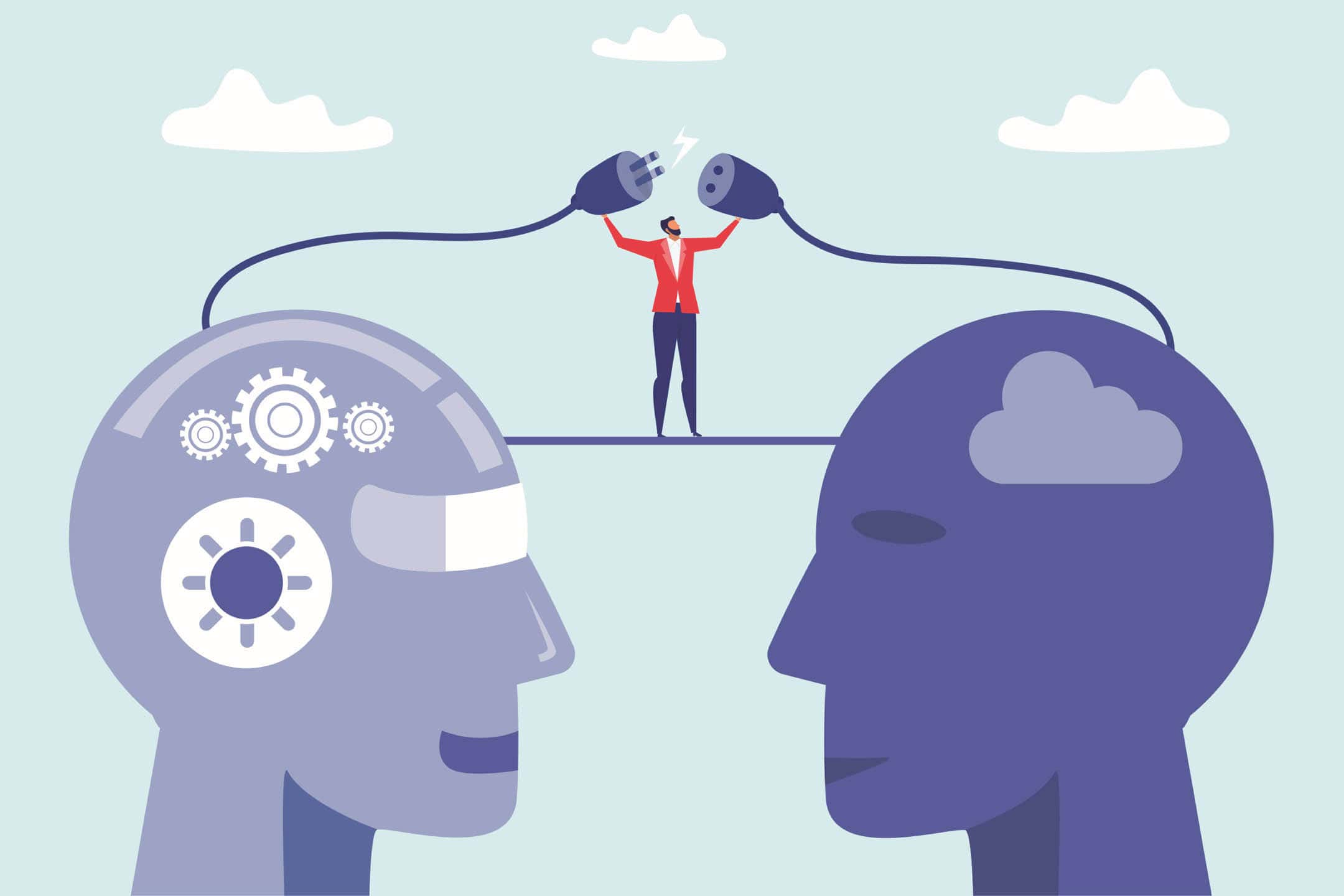
Lately, I’ve been having a lot of conversations about what AI can and cannot do. In my day-to-day work crafting alt text, it’s a question that comes up constantly. People see the rapid pace of automation and wonder: Can’t a machine just do this now?
Let’s be completely fair about what AI can reliably do for Alt-Text: things like OCR, pulling out labels for a diagram, or inserting numerical data into a template. Those are straightforward, mechanical tasks. But when it comes to true description? We don’t use AI for composing alt text because it is unreliable in subjective situations, which are most situations we come across.
Reading Between the Lines (and Pages)
AI cannot determine the document’s context to inform what needs to be described in the figures. We make these judgements based on the purpose of the document, the intended audience and the content throughout the file, not just what you see in the figure itself.
Think about how much an image shifts depending on its environment. For example a photograph of a model in beautiful clothing featured in a magazine will have alt text focused on the designers, colours and trends she is showcasing. However, if the photo were featured in a textbook about photography, we would focus on the model’s pose, the lighting used, and the staging of the scene in the description.This image can be described in countless ways, depending on the context. We even use different words and tone when we are describing a child’s textbook versus an adult’s employee manual.
The Ethical Dimension of Description
Beyond context, there is a deep responsibility in what we do. AI often can be inappropriate or unethical in descriptions, assuming race, gender and age for people featured. We only do this when necessary. Making assumptions for a figure can alter the context and meaning of the entire document.
When an algorithm guesses a person’s identity or background, it’s not just a technical error but an ethical misstep that reflects on a brand. True accessibility honors the intent of the material and the dignity of the people within it.
Combating Listening Fatigue
If you’ve ever listened to a screen reader navigate an automated page, you know how painful it can be. AI is often redundant and repeats information to the end user, causing significant listening fatigue. Manual writing is concise and only describes what is necessary and useful to the end user based on an evaluation of ALL content in the file and who the client is. Different standards apply to different subjective situations and AI is not advanced enough yet to comprehend the needs in the documents in order to make these distinctions.
Lastly, AI focuses too much on information that is unnecessary for end users. AI will describe patterns, colours and textures in images that do not assist in a blind person’s understanding. We focus on data and key points of images, pulling out the purpose of the image rather than describing its appearance, unless the appearance itself is the purpose (which we determine through context clues). AI may describe the “what,” but we describe the “why,” which is what end users need to understand the doc as a whole.
Going Above and Beyond: Our White-Glove Standard
This is precisely where our team’s white-glove process turns standard compliance into an excellent user experience. We don’t look at images in isolation, and we don’t treat accessibility like a checkbox at the end of a production line.
When we partner with a client, our team completely immerses themselves in the file, evaluating the surrounding narrative, the core educational or professional goals, and the intended audience. We manually refine every sentence to eliminate the digital fluff that causes screen-reader fatigue, delivering concise, accurate, and highly ethical descriptions. We treat your content with the same respect and nuance that you put into creating it, ensuring that every single end-user experiences your work exactly as intended. It is an intentional, hands-on partnership designed to take the weight off your team while guaranteeing an uncompromised standard of quality.
At the end of the day, digital accessibility is about ensuring human beings on the other side of the screen feels entirely included, valued, and respected. That’s the difference between checking boxes to appease automated validators, and achieving truly accessible Alt-Text excellence.